
June 11, 2026
Selling your home can feel like a lot to manage, especially when you want to price it right, prep it well, and move on a timeline that works for your next chapter. If you are planning to sell in East Greenbush, the good news is that the market is still active, with well-positioned homes often attracting strong interest. In this guide, you will learn what to do before listing, how to price and market your home, what New York requires from sellers, and what to expect through closing. Let’s dive in.
East Greenbush remains a seller-leaning market, but that does not mean every home will sell quickly without effort. Recent market snapshots showed a median sale price of $334,827 over the three months ending April 2026, with homes selling in about 29 days on average and sale-to-list ratios above 100%.
That tells you something important. Buyers are still willing to compete for homes that are priced and presented well, but they are also paying attention to condition, layout, and overall value. In practical terms, a well-prepared home may sell in about three to four weeks, though every sale is different.
The best time to list is not only about the calendar. It is also about whether your home, paperwork, and move plan are ready.
National data points to late March through mid-May as a strong selling window, with late April often performing especially well. There is also a national pattern showing that Thursday listings can do well, but in East Greenbush, your readiness matters more than chasing a perfect date.
Before you pick a listing day, ask yourself:
If the answer is yes, you are in a much better position to launch with confidence.
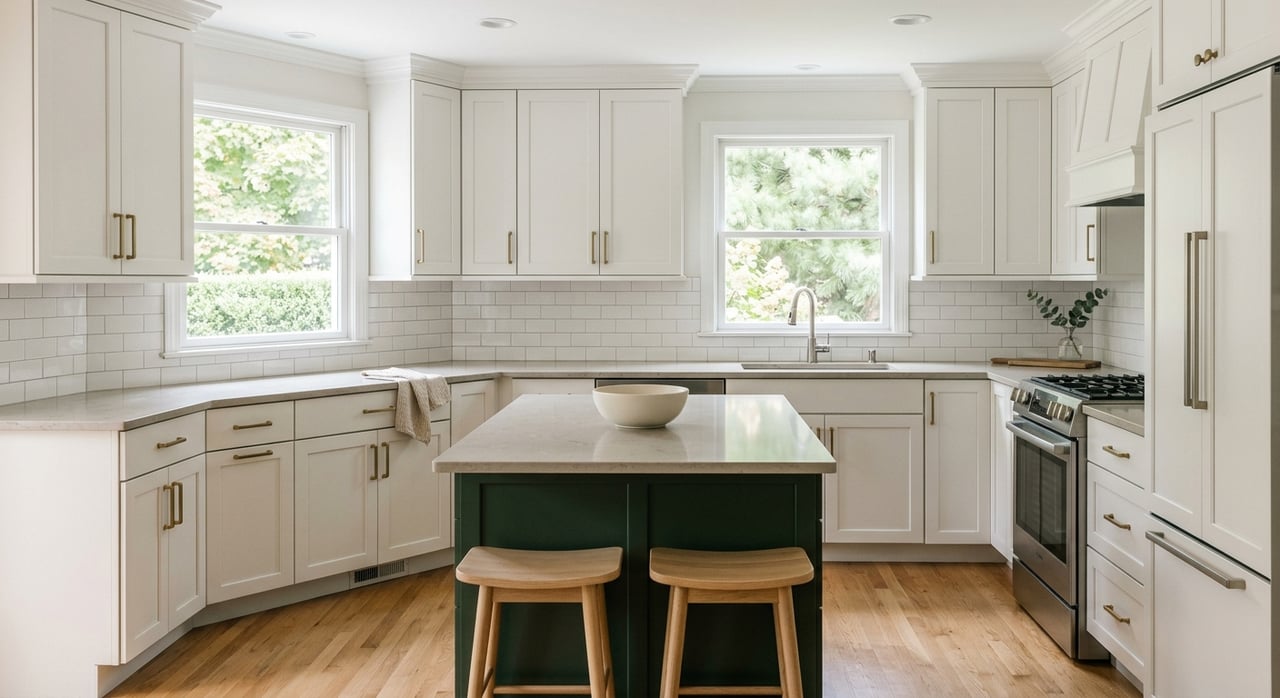
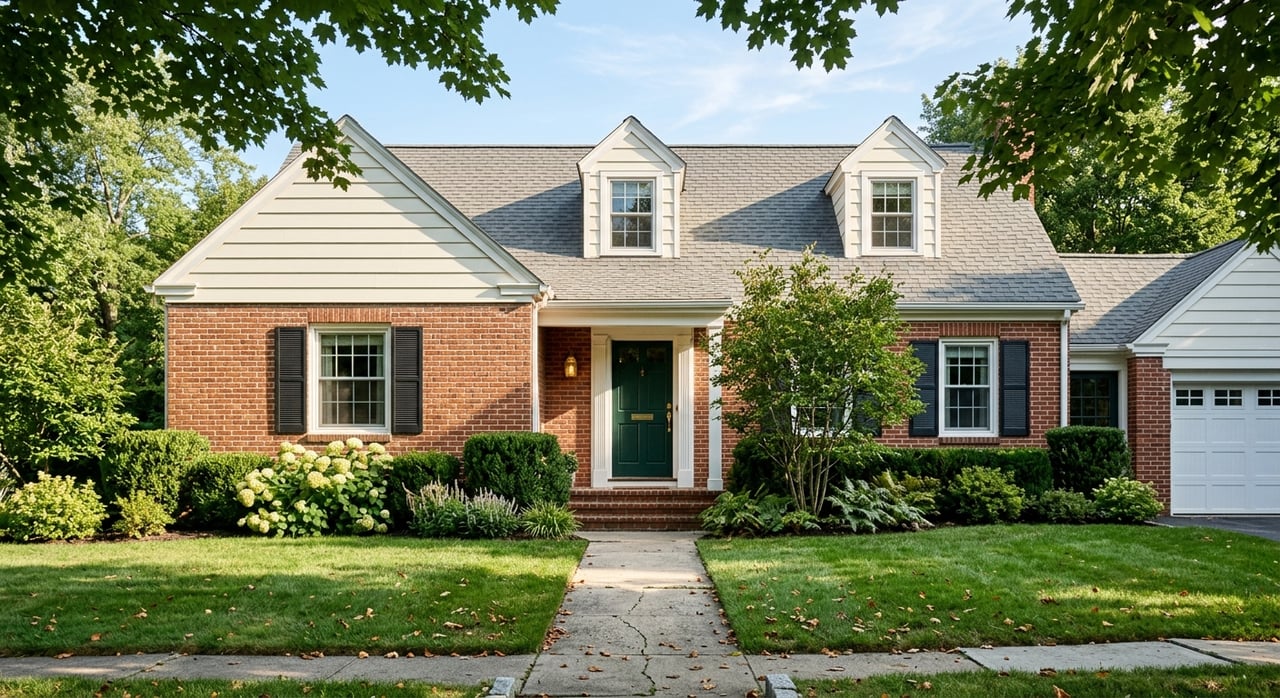
Buyers usually notice condition first. Cleanliness, light, and layout also shape first impressions both online and in person.
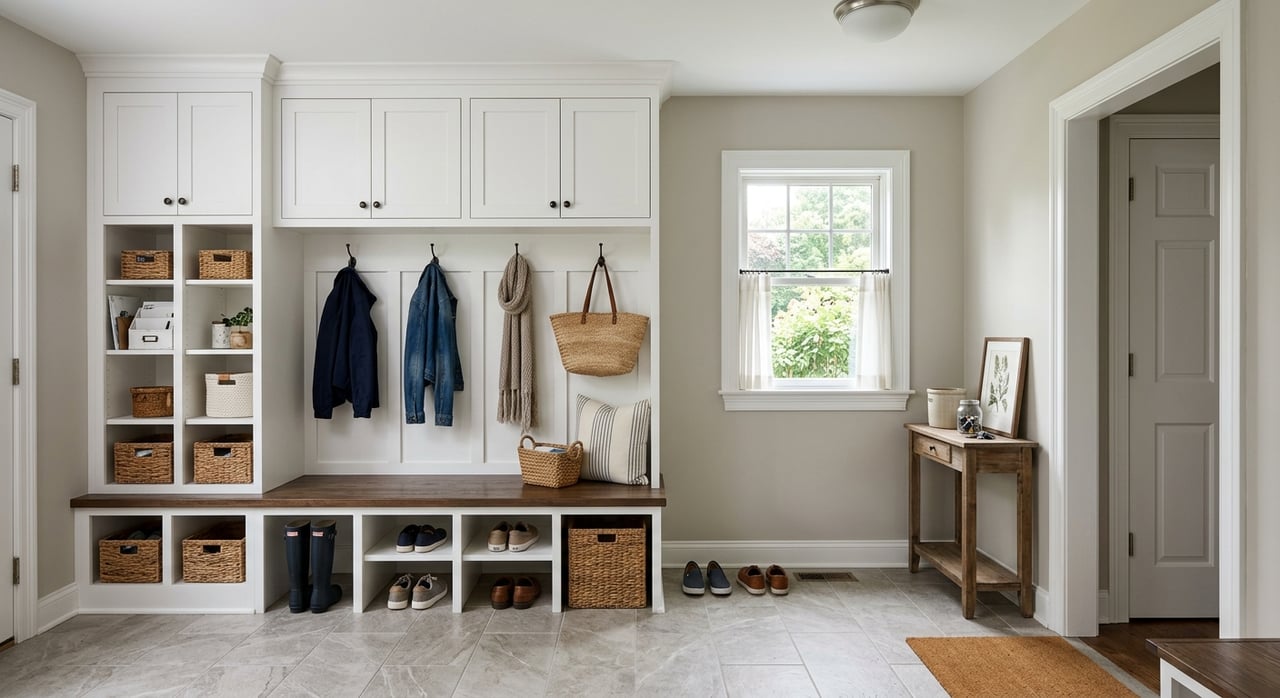
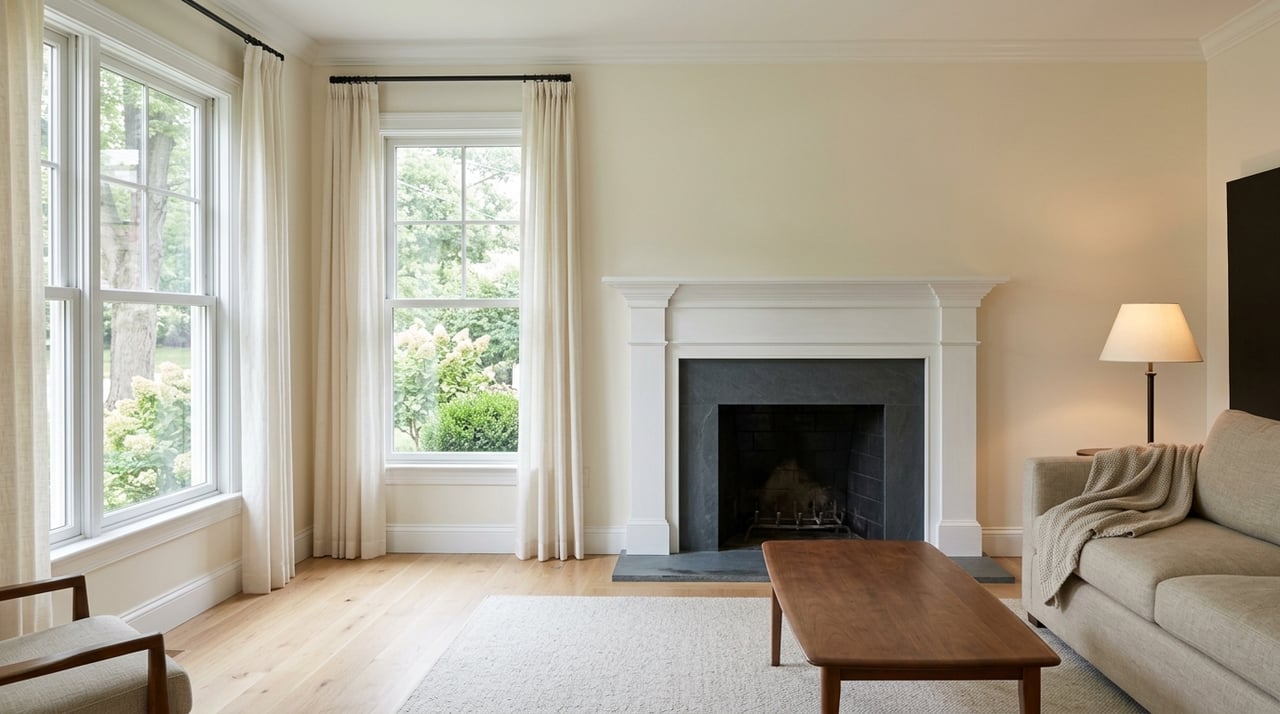
That is why pre-listing prep matters so much. You do not need to do every upgrade possible, but you do want the home to feel cared for, functional, and easy for buyers to picture as their own.
A short list of practical improvements often goes farther than a large renovation budget. Recent selling guidance shows that many buyers want move-in-ready homes and prefer to avoid major repair issues.
Start with these basics:
If your electrical, plumbing, or HVAC systems have been updated, gather that information too. Buyers often value those improvements because they suggest fewer immediate projects after move-in.
Most buyers will see your home online before they ever step inside. That means your presentation has to work on a screen first.
Professional photos, clean rooms, and simple staging can help your home feel brighter, larger, and more inviting. The goal is not to make the property look overly styled. The goal is to help buyers clearly see the space and how it functions.
In New York, seller disclosures are not something to leave until the last minute. Beginning July 1, 2025, the Property Condition Disclosure Statement is required and must be delivered to the buyer or the buyer’s agent before the buyer signs a binding contract.
The form is based on your actual knowledge. It is not a warranty, but it does need to be completed honestly and updated if you later learn something that makes a prior answer materially inaccurate before title transfers or the buyer takes occupancy.
It helps to start gathering records while you are still preparing the home. The disclosure form may ask about:
If your sale involves a typical one- to four-family home, this step is especially important. Having records ready early can save time and reduce stress once offers come in.
Pricing is one of the most important parts of the entire process. In East Greenbush, buyers have recently paid near or slightly above asking for homes that were priced correctly. That does not mean you should simply pick a high number and hope for the best.
Overpricing can slow momentum. Once a listing sits too long, buyers may start to wonder what is wrong, even when the home itself is solid.
East Greenbush listings can include different property types and price points, from established single-family homes to land and new construction. Because of that, broad averages do not tell the full story.
Your pricing strategy should account for:
A careful pricing review helps you position the home where buyers will see the value quickly.
Marketing today is much more than putting a sign in the yard. Once a home is listed in the MLS, it can appear across major consumer search sites, which means your first impression needs to be strong and consistent.
That is why quality photos, accurate property details, and a clear launch plan matter. A well-marketed listing helps attract serious buyers early, when interest is usually highest.
A thoughtful marketing approach should focus on visibility and clarity. Buyers should understand what the home offers and why it stands out.
Key elements include:
In a market where homes may move in about three to four weeks, responsiveness can make a real difference. Delays in approving showings or answering questions can cool interest faster than many sellers expect.
Once your home is live, your job shifts from preparing the property to keeping it ready. That can be inconvenient, but it is often worth it.
The easier it is for buyers to tour your home, the more opportunities you create for offers. Try to keep the space clean, bright, and simple between appointments.
A few showing habits can help:
Consistency matters. A buyer who sees the home on a rushed day should have the same positive impression as a buyer who tours it during your best week.
When offers arrive, it is tempting to focus only on the highest number. Price matters, but it is only one part of the full picture.
You also want to look at financing strength, contingency terms, and the proposed closing date. A strong offer is one that fits both your financial goals and your timeline.
As you review offers, pay close attention to:
Contingencies can delay or derail a transaction, so it is smart to weigh certainty alongside price. If you need extra time after closing, a rent-back agreement may sometimes be negotiated instead of requiring you to move out on closing day.
After you accept an offer, the process is not over. This is the stage where inspections, paperwork, title work, and final coordination begin.
The closing process often involves document requests, a home inspection, title-related steps, and careful review of closing paperwork. Staying organized and responsive helps keep everything moving.
It is common for buyers to ask for repairs or credits after an inspection. That does not automatically mean the deal is falling apart.
The key is to stay calm, review the requests carefully, and focus on what is reasonable for the transaction. The same goes for lender-related delays. A short delay can happen, so it helps to keep your move plan flexible where possible.
Before closing, make sure you understand the taxes and costs that may affect your bottom line. In New York, the state real estate transfer tax is $2 for every $500 of consideration.
The tax is generally the seller’s responsibility unless exempt or unpaid. For residential sales of $1 million or more, an additional 1% mansion tax applies to the grantee.
Property taxes also matter in a practical sense. Because property tax in New York is local, the monthly tax burden tied to your home can affect what buyers feel comfortable paying.
A smooth sale is not just about getting to the closing table. It is also about making your move manageable.
By default, sellers are usually expected to move out by closing day unless another arrangement is negotiated. If you are buying your next home, downsizing, or relocating on a tight schedule, build that transition plan early.
A simple move-out checklist can help:
The more you plan ahead, the less stressful the final week tends to be.
If your home is in good condition and priced well, a typical sale may move faster than you think. While no timeline is guaranteed, many East Greenbush sellers can think in terms of preparation, launch, contract, and closing.
| Stage | What happens |
|---|---|
| Pre-listing | Repairs, cleaning, decluttering, records, pricing strategy |
| Listing launch | Photos, MLS entry, showings begin |
| Offer stage | Buyer interest, negotiations, contract decisions |
| Under contract | Inspection, title work, document requests, closing prep |
| Move-out | Final packing, utility changes, closing, possession |
If your home takes closer to a month to go under contract, that can still be very normal in the current market. What matters most is entering the market with a plan that supports both speed and value.
Selling a home in East Greenbush is easier when you break it into clear steps. With the right prep, honest disclosures, thoughtful pricing, and strong communication from listing through closing, you can move through the process with a lot more confidence.
If you are thinking about selling and want practical guidance tailored to your home and timeline, Tosseia Myers is here to help you navigate each step with clear advice, responsive service, and local market insight.
Stay up to date on the latest real estate trends.
I am committed to guiding you every step of the way—whether you're buying a home, selling a property, or securing a mortgage. Whatever your needs, I've got you covered.
Tosseia Myers
102 Van Rensselaer Sq Ste L
Rensselaer, NY 12144
Office Hours
Monday to Friday - 9:00 AM to 5:00 PM