
July 2, 2026
Wondering whether your Loudonville home really needs much prep before it hits the market? In a place where buyers can move quickly, small details still shape first impressions, showing activity, and the strength of your offers. If you want to sell with less stress and better confidence, the right plan can help you focus on what matters most. Let’s dive in.
Loudonville was described as a seller’s market in May 2026, with Realtor.com reporting 27 homes for sale, a median listing price of $499,000, a median sold price of $476,000, and a median 25 days on market. Redfin’s May 2026 snapshot also pointed to solid demand, with a median sale price near $489,707 and a 10-day median days on market. The numbers are not identical, but both sources point to a market where buyers are active and well-presented homes stand out.
That is important because a strong market does not mean you can skip the basics. Buyers in Loudonville are often comparing homes across the broader Town of Colonie area, so condition, pricing, and presentation still matter. A polished home can help you capture attention quickly and support a smoother sale.
If your timing is flexible, Realtor.com’s 2026 Best Time to Sell report identified April 13 through 19 as the strongest nationwide week to list. Still, timing should come after preparation. It is usually better to list when your home is truly ready for photos and showings than to rush to market half-finished.
If you are not sure where to begin, keep it simple. The most effective prep plan is usually not a major renovation project. It is a smart sequence of smaller steps that make your home feel clean, cared for, and easy for buyers to picture as their own.
According to NAR’s 2025 Profile of Home Staging, the most common recommendations from seller agents were decluttering, cleaning the entire home, and improving curb appeal. The same report found that staging can help, with 29% of agents reporting a 1% to 10% increase in the dollar value offered and 49% saying staging reduced time on market. That makes a strong case for focusing on the basics first.
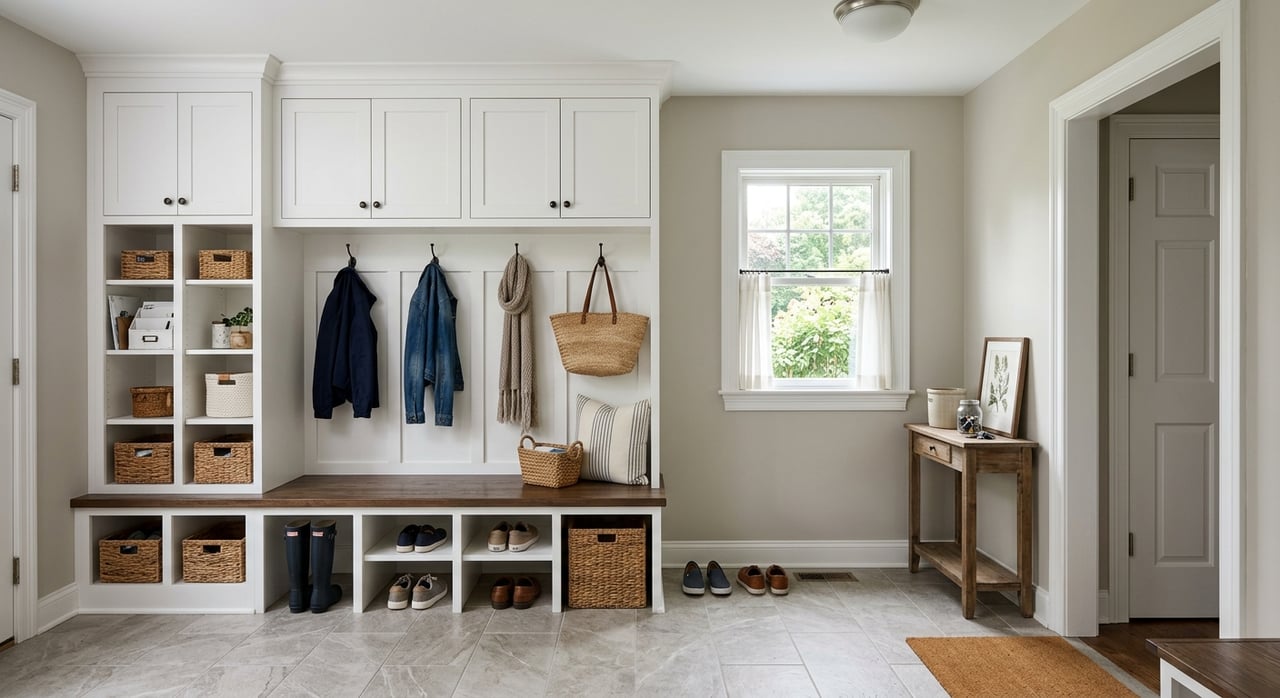
Decluttering does more than make your home look tidy. It helps rooms feel larger, brighter, and easier to understand. Buyers tend to respond better when they can clearly see the space instead of being distracted by crowded shelves, overfilled closets, or too many personal items.
Work one area at a time so the process feels manageable. Clear countertops, thin out storage areas, remove unnecessary decor, and pack away out-of-season items. If you plan to move soon anyway, this is a great time to get ahead on packing.
A clean home signals care. Even in a fast-moving market, buyers notice dust, smudges, stained surfaces, and lingering odors. Deep cleaning is often one of the most affordable ways to improve how your home shows both online and in person.
Pay special attention to kitchens, bathrooms, floors, baseboards, and windows. NAR’s seller showing checklist also recommends cleaning windows and screens, which can help bring in more natural light. If cleaning feels overwhelming, hiring professional help before photos can be a worthwhile investment.
You do not need to overhaul everything before you sell. In most cases, it makes more sense to address obvious, visible issues that buyers will notice right away. Small repairs can prevent buyers from wondering what else may have been overlooked.
Focus on things like burnt-out bulbs, scuffed walls, dripping faucets, loose hardware, and doors that stick. Freshening neutral paint can also help if certain rooms feel worn or overly personalized. These lower-cost fixes often do more for presentation than expensive upgrades completed in a rush.
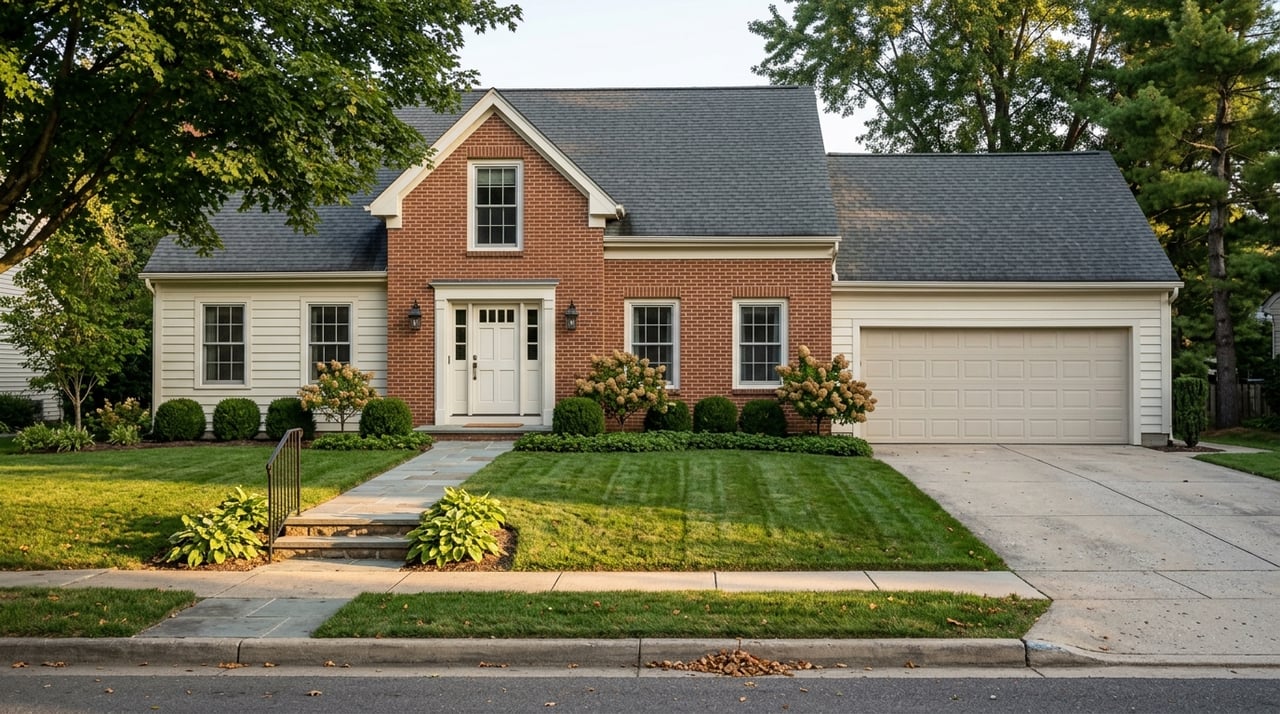
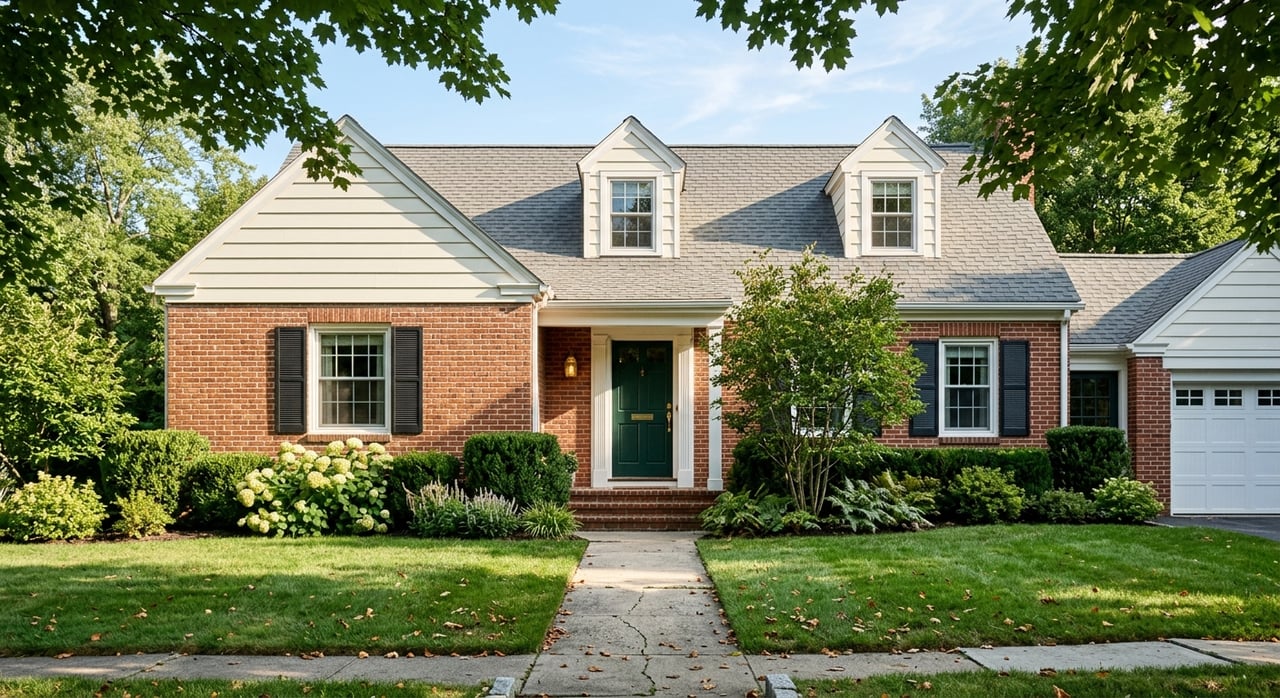
Your exterior sets the tone for every showing. Buyers often form an opinion before they even step inside, and your listing photos will likely feature the front of the home first. That is why curb appeal deserves attention early in your prep timeline.
NAR’s checklist recommends mowing, raking, adding fresh mulch, trimming bushes, and placing flowers near the entry. You do not need a full landscape redesign. Clean, neat, and inviting usually works best.
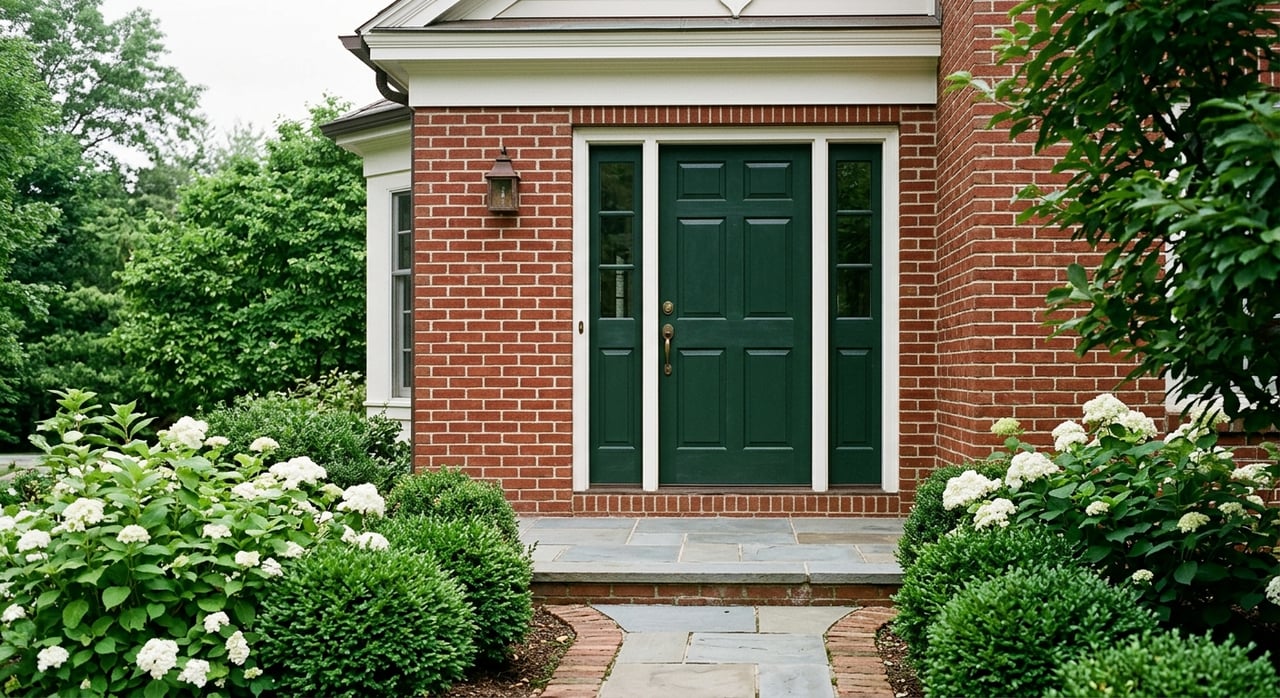
Your front door area should feel welcoming and easy to approach. Sweep the walkway, remove cobwebs, wipe down the door, and make sure house numbers are easy to read. If your porch or stoop feels crowded, remove extra items so the entry looks open and cared for.
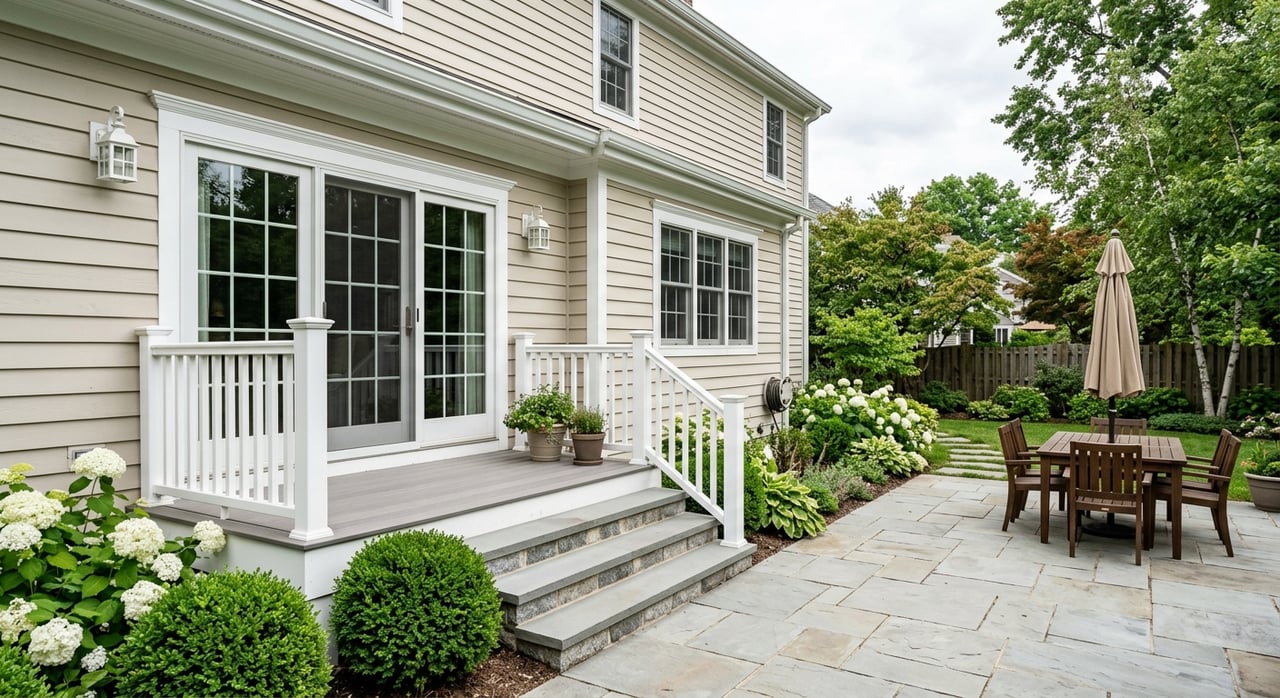
A manicured look helps buyers feel the home has been maintained. Cut the lawn, edge where needed, and clear away dead branches or seasonal debris. If you have outdoor furniture, keep only what fits the space well and looks clean in photos.
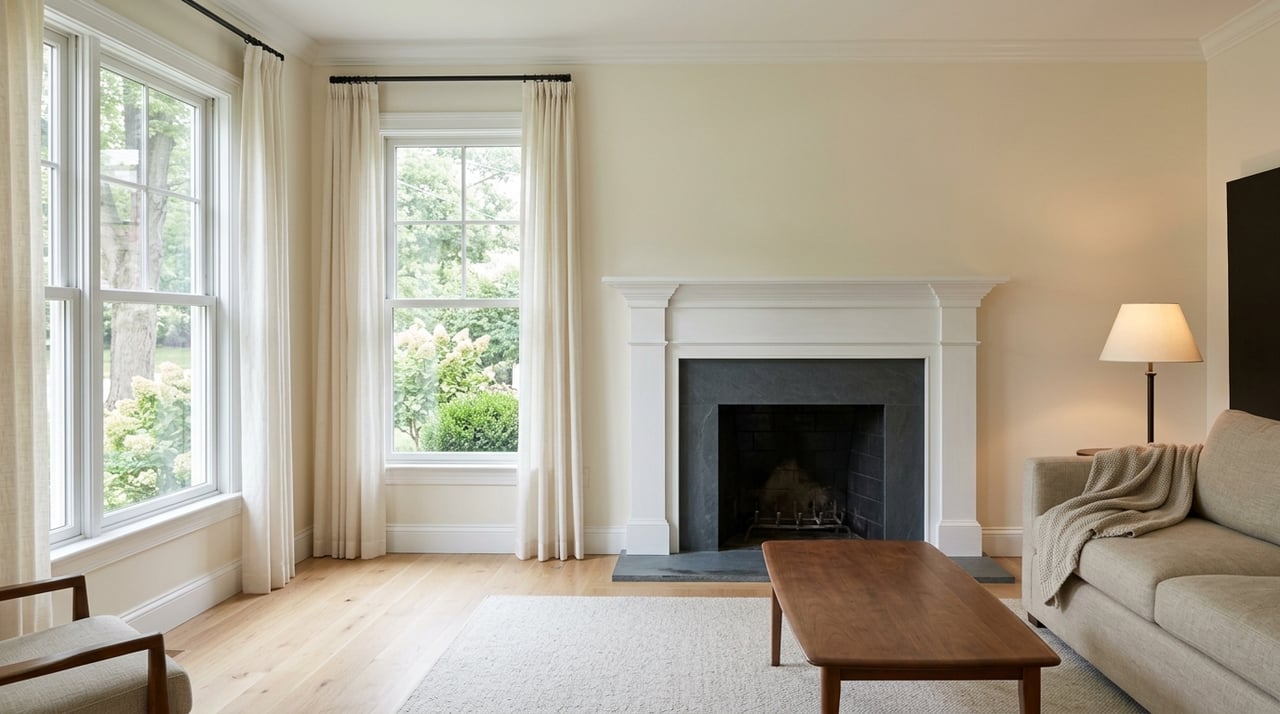
Staging does not have to mean renting a truckload of furniture. In many homes, light staging with your existing pieces, better layout choices, and a few finishing touches can go a long way. The goal is to make each room feel functional, balanced, and appealing on camera.
If you only have time or budget to stage a few spaces, prioritize the living room, primary bedroom, and kitchen. NAR reported a median staging-service cost of $1,500, which can help you decide whether to hire a stager or take a lighter DIY approach. Either way, your effort should focus on the rooms buyers tend to remember most.
Try to create a clean backdrop rather than a highly styled look. Remove extra accent pieces, family photos, and oversized furniture that makes rooms feel tight. A few well-placed items can add warmth without making the home feel busy.
Buyers place high value on listing media, with NAR reporting that photos were highly important to 73% of buyers’ agents, followed by videos and virtual tours. That means your home should be prepared for the camera, not only for walkthroughs. Step back and ask whether each room looks bright, open, and easy to understand in a photo.
Once your home is listed, daily showing readiness becomes part of the job. The easier it is for buyers to see your home, the better your chances of maintaining momentum. A home that is consistently clean and easy to access can help reduce stress once showings begin.
NAR’s showing guidance recommends opening blinds and window treatments, turning on all lights, and leaving the house ready for the next visitor. It also advises taking pets with you when possible and removing distractions like pet odors, trash, and personal clutter. In short, your goal is to keep the home feeling fresh, calm, and ready at short notice.
A simple pre-showing checklist can save time. Before leaving, straighten bedding, wipe counters, empty visible trash, and do a fast floor sweep if needed. Turn on lights, open blinds, and make sure bathrooms and kitchen surfaces look clean.
If you live in the home while selling, try to reduce anything that pulls buyers out of the experience. That can include strong scents, noisy pets, piles of mail, or too many personal items. A calm, neutral environment helps buyers focus on the home itself.
One of the most overlooked parts of getting ready to sell is document prep. In New York, most sellers of residential one- to four-family homes must deliver a Property Condition Disclosure Statement before the buyer signs a binding contract. The form is based on your actual knowledge, is not a warranty, and failure to provide it can lead to a $500 credit to the buyer at closing.
That is why it helps to gather records before your listing goes live. Pull together repair receipts, maintenance records, inspection reports, warranties, and any documents that help explain the home’s condition. Having this information ready can make disclosure questions easier to answer and help reduce surprises later.
This step is especially important if you made major changes to the home. The Town of Colonie requires building permits before new construction, alterations, additions, or demolition. If you added a deck, finished a basement, built an addition, or made other significant updates, confirm your permit records and any certificate of occupancy information early.
The New York disclosure form asks about certificates of occupancy and other property details. Missing paperwork can become a negotiation issue if it surfaces late. A little organization now can help protect your timeline later.
If your home was built before 1978, lead-based paint disclosure rules apply before sale. Sellers must disclose known lead-based paint information and related hazards. If your home falls into that category, gather any relevant records before you begin touch-up work or complete your listing paperwork.
The easiest way to get your Loudonville home ready is to follow the right order. Trying to do everything at once can waste time and money. A clear sequence keeps you focused and helps your home look its best when it matters most.
Here is a practical path to follow:
This kind of plan fits what buyers respond to and what New York sellers should have ready. It also keeps you from spending heavily on updates that may not meaningfully improve your result.
Selling your home is a big move, and you should not have to guess your way through it. With the right preparation and steady guidance, you can make your Loudonville home feel market-ready without turning the process into a full renovation. If you are thinking about selling and want a clear, local plan, Tosseia Myers can help you take the next step with confidence.
Stay up to date on the latest real estate trends.
I am committed to guiding you every step of the way—whether you're buying a home, selling a property, or securing a mortgage. Whatever your needs, I've got you covered.
Tosseia Myers
102 Van Rensselaer Sq Ste L
Rensselaer, NY 12144
Office Hours
Monday to Friday - 9:00 AM to 5:00 PM