
June 25, 2026
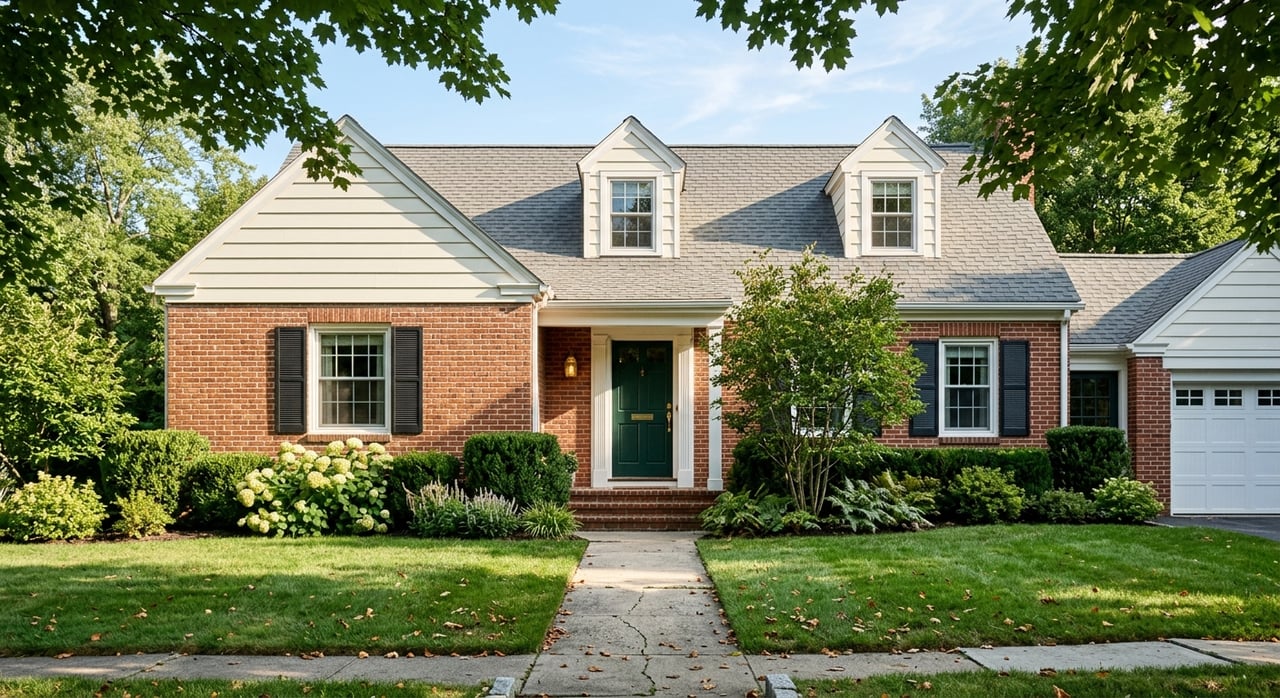
Buying your first home in Troy can feel exciting one minute and overwhelming the next. If you are moving from renting, trying to set a budget, and wondering how fast you need to act, you are not alone. The good news is that Troy offers a wide range of price points and property types, and with the right preparation, you can move forward with more confidence. Let’s break down what first-time buyers should know before shopping for a home in Troy.
Troy is a city where many residents rent, with an owner-occupied housing rate of 37.4%. That matters because it means many buyers in this market are making the same leap you may be considering now, from renting to owning.
Home prices in Troy have recently landed in the mid-$200,000s, though the exact figure varies by source and timing. Recent reports placed the median sale price around $244,853 to $248,283, while Zillow reported a typical home value of $295,947 as of late May 2026.
For a first-time buyer, that means Troy can offer a more varied entry point than many people expect. Your options may include everything from older row houses to single-family homes, depending on your budget and the neighborhood you target.
One of the biggest mistakes first-time buyers make is thinking about Troy as one flat market. In reality, prices can shift quite a bit from one area to another.
Reported neighborhood price points show just how wide that range can be. Zillow listed North Central around $141,467 and Downtown around $448,337, while Realtor.com showed Lansingburgh around $225,000, South Troy around $229,900, The Hill around $274,000, and Eastside around $292,450.
That does not mean one area is automatically better than another. It means your home search should start with a realistic conversation about budget, monthly payment comfort, and the type of property you want.
If you are hoping to browse casually for months before making a move, Troy may not give you that luxury. This is a competitive market, and homes can move fast.
Recent data shows homes selling in about 22 to 26 days on average, with Zillow reporting homes going pending in around 7 days. Redfin also reported a 99.5% sale-to-list ratio, multiple-offer situations, and some waived contingencies, while GCAR reported just 1.2 months of inventory in February 2026.
For you, the takeaway is simple. Preparation matters. If you want to compete for a well-priced home, it helps to have your financing lined up before you start touring seriously.
Many first-time buyers want to jump right into open houses and showings. That is understandable, but in Troy’s pace, getting financially ready first can save you stress and help you act faster when the right home appears.
The Consumer Financial Protection Bureau recommends getting a preapproval letter once you are ready to shop seriously. Lenders usually review your credit as part of that process, and preapproval letters often expire in 30 to 60 days.
A preapproval also shows sellers that you are serious and financially prepared. In a market where listings can move quickly, that can make a real difference.
If you are buying in Troy for the first time, there is no single best loan for everyone. The right fit depends on your down payment, credit profile, and what monthly payment feels comfortable for you.
Here are a few common paths first-time buyers often compare:
SONYMA generally considers borrowers who have not owned a primary residence in the last three years to be first-time buyers, with some exceptions. SONYMA also connects buyers with nonprofit housing counseling agencies, classes, workshops, and one-on-one counseling.
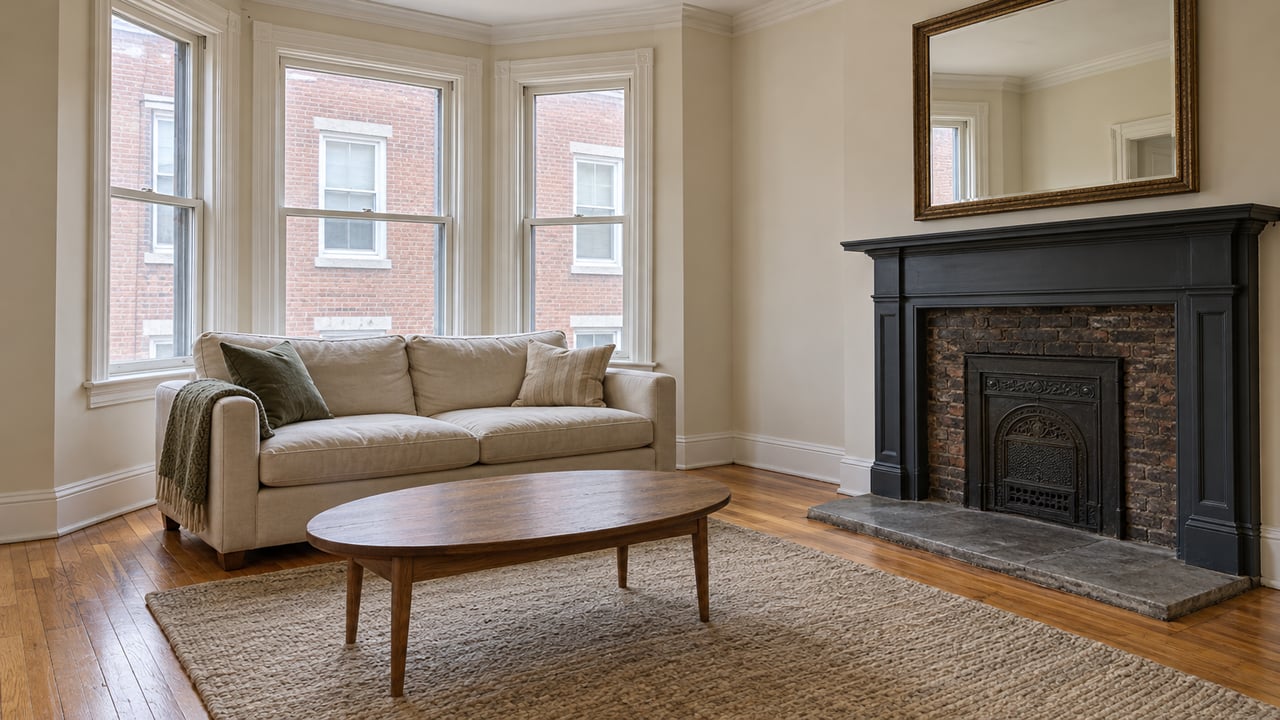
Troy’s housing stock has character, and that is part of the appeal. The city’s preservation materials describe residential architecture ranging from the early 19th century to the mid-20th century.
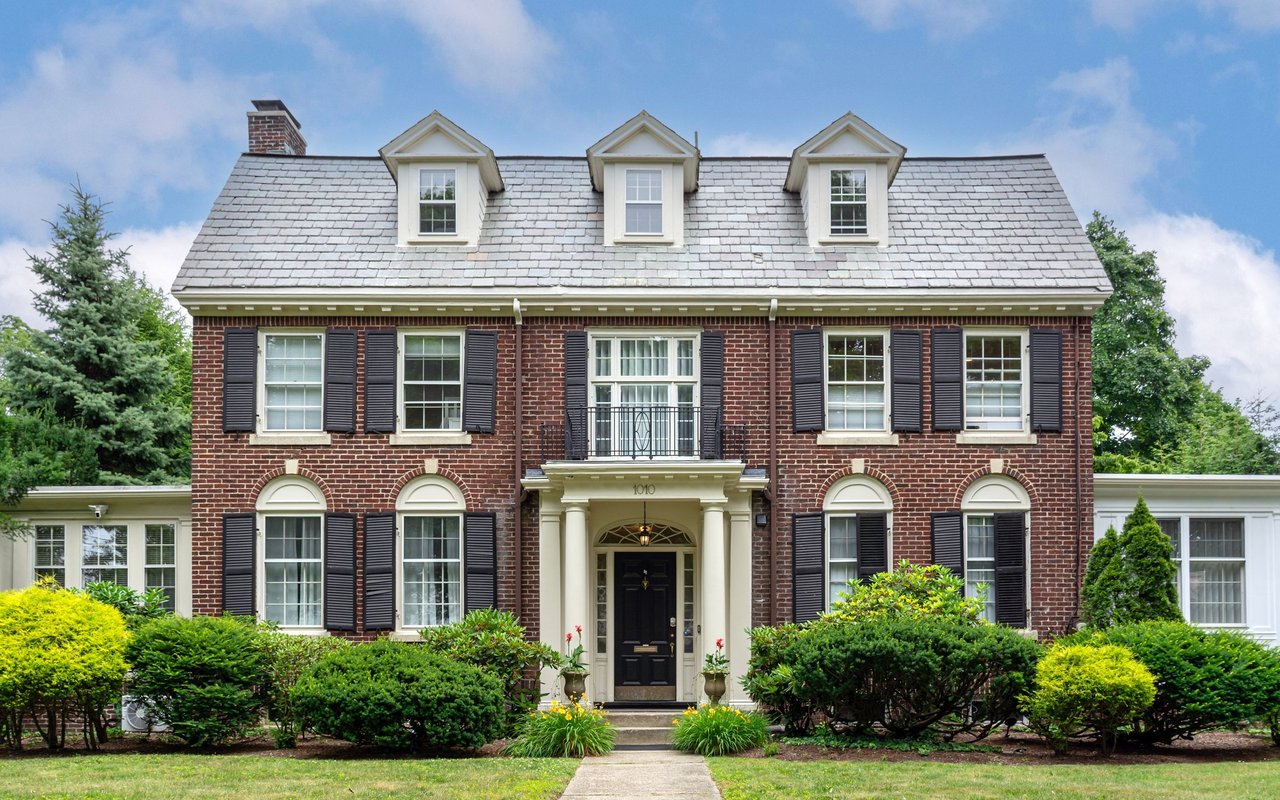
You may come across row houses and architectural styles such as Federal, Greek Revival, Italianate, Queen Anne, and Colonial Revival. For a first-time buyer, that can mean beautiful details and established streetscapes, but it can also mean older systems, more maintenance questions, and renovation planning.
Newer homes do exist in Troy, but they are more likely to show up as infill development or redevelopment rather than large new subdivisions within the city. The market often rewards buyers who stay open-minded about age, layout, and updates.
If you fall in love with an older Troy home, especially in a historic area, it is smart to ask renovation questions early. Not every project is treated the same.
According to the City of Troy, exterior modifications within a historic district must be reviewed and approved before work begins. Interior work and simple exterior maintenance, such as repainting the same color, usually do not require approval.
That does not mean you should avoid historic homes. It simply means you should understand the rules before planning exterior changes, windows, doors, siding, or other visible updates.
Because many Troy homes were built decades ago, lead-based paint is an important topic for first-time buyers. The EPA says homes built before 1978 are more likely to contain lead-based paint.
Its data shows that 87% of homes built before 1940 and 24% of homes built from 1960 to 1978 have some lead-based paint. If you are considering an older property, this makes disclosure paperwork and lead-safe renovation planning especially important.
This is not necessarily a deal breaker. It is simply one more reason to ask careful questions, review documents closely, and understand what future repairs or updates may involve.
In a faster market like Troy, having a simple plan can keep the process from feeling chaotic. A practical first-time buyer timeline usually looks like this:
This sequence fits both standard mortgage guidance and Troy’s current market pace. It gives you enough structure to stay organized without losing momentum.
Inspections are important in any market, but they can be especially important in a city with older housing stock. Once your offer is accepted, timing matters.
The CFPB recommends scheduling a home inspection as soon as possible so there is time to resolve issues or order additional inspections if needed. It also notes that an appraisal is separate from the inspection.
In New York, home inspectors are licensed by the Department of State and must provide a written report within five business days after the inspection. That written report can help you better understand the home’s condition and next steps.
Closing is more than just showing up to sign papers. There are a few final steps that deserve your full attention.
The CFPB says your lender must send the Closing Disclosure at least three business days before closing. This gives you time to review your final loan terms, cash needed, and closing costs.
Before closing day, you should also complete a final walk-through. That is your chance to confirm agreed repairs were completed and that included items are still in place.
Buying your first home in Troy does not require you to know everything on day one. It does require a plan, clear expectations, and a steady guide who will explain the process in a way that makes sense.
The strongest first-time buyers are not always the ones with the biggest budgets. Often, they are the ones who get prepared early, understand the market they are entering, and make decisions based on facts instead of panic.
If you are ready to move from renting to owning in Troy, the process can feel much more manageable when you have someone in your corner who is responsive, patient, and focused on helping you understand each step. When you are ready to talk through your goals, connect with Tosseia Myers for clear, local guidance tailored to your next move.
Stay up to date on the latest real estate trends.


I am committed to guiding you every step of the way—whether you're buying a home, selling a property, or securing a mortgage. Whatever your needs, I've got you covered.
Tosseia Myers
102 Van Rensselaer Sq Ste L
Rensselaer, NY 12144
Office Hours
Monday to Friday - 9:00 AM to 5:00 PM