
July 23, 2026
Wondering how to sell your Latham home without leaving money on the table or getting stuck with preventable delays? If so, you are not alone. In a market that can move quickly, the right pricing, smart prep, and clean paperwork can make a big difference in both your result and your stress level. Here is what to focus on before you list, once your home goes live, and as offers start to come in.
Latham is active, but that does not mean every home should be priced the same way. Realtor.com’s June 2026 snapshot shows 93 homes for sale, a median listing price of $499,400, and a median 27 days on market. Redfin’s May 2026 data shows a median sale price of $364,782, median days on market of 8, and 66.8% of homes selling above list price.
Those numbers tell an important story. Buyers are moving quickly on the right homes, but the gap between asking prices and closed sale prices means you should not base your plan on the highest active listing or a single online estimate. In Latham, pricing works best when it reflects recent sold homes, your property’s condition, and the competition buyers can see right now.
A strong list price starts with a comparative market analysis, often called a CMA. That means looking at similar homes that recently sold in the same area and weighing details like size, location, features, condition, and current market conditions.
This matters because buyers compare your home to what they can buy today and what others have paid recently. If your home is priced too high, early interest can fade fast. If it is priced thoughtfully, you may create stronger traffic and better leverage when offers come in.
Your pricing conversation should include more than square footage and bedroom count. In Latham, sellers should look at:
Taxes are especially important to verify carefully. Albany County’s real property tax service agency shows that Colonie parcels can include multiple levies, such as town, county, fire district, and related charges, so it is better to use the actual parcel record than a broad suburb average.
Your goals matter too. If speed is the top priority, more competitive pricing may help attract stronger early activity. If your timeline is more flexible, your pricing strategy may look different, but it still needs to stay grounded in what buyers are actually paying.
It is also worth remembering that price is only one part of a winning offer. Concessions, financing strength, and contingencies can all affect your bottom line and closing certainty.
Before you think about major renovation projects, start with the basics buyers notice first. NAR’s staging guidance says staging helps buyers visualize a home, and many agents report that staged homes sell faster. A meaningful share also report improved offered value.
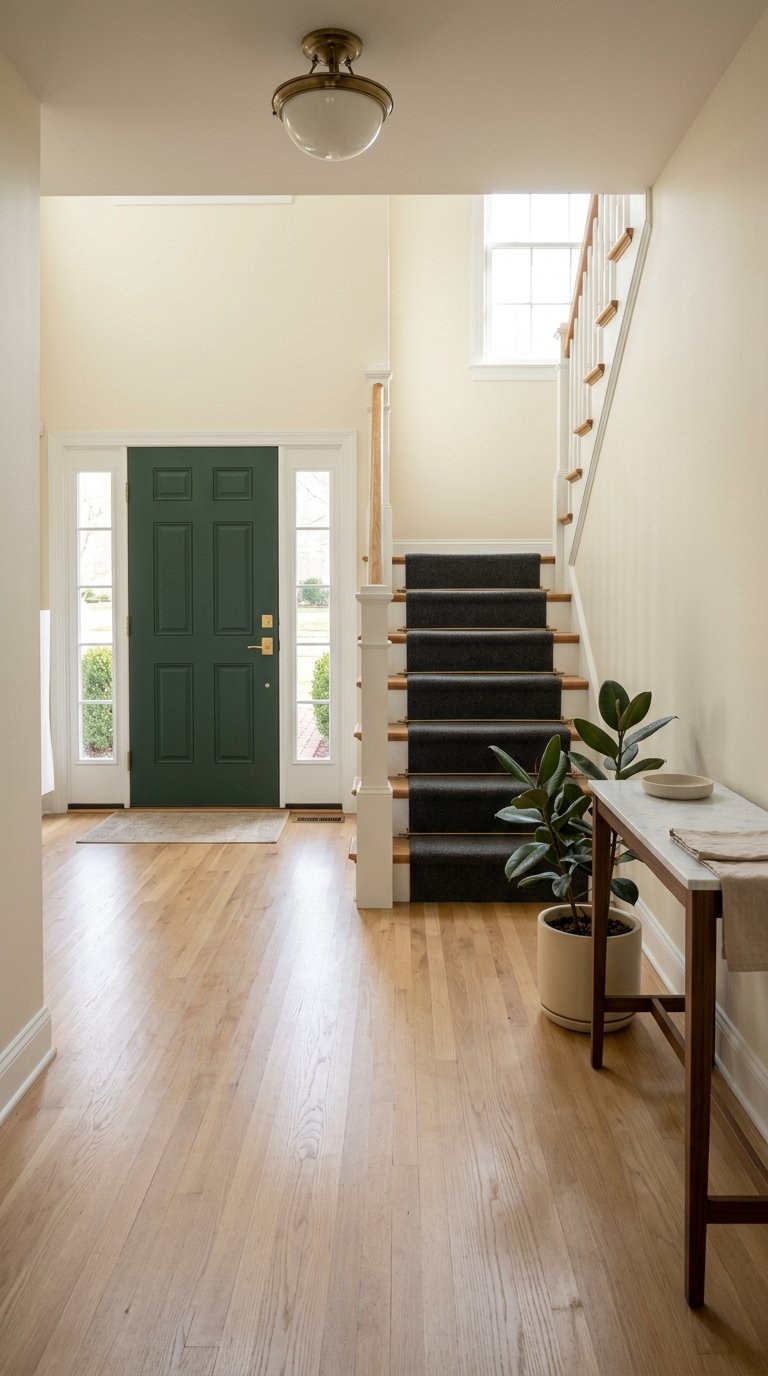
For most Latham sellers, that points to a simple truth. Clean, bright, uncluttered homes usually make a stronger first impression than homes with too much furniture, unfinished touch-ups, or distracting personal items.
The most practical prep steps are often the ones that pay off best in time and effort. Consider starting with:
These updates help buyers focus on the space itself. They also make photos, showings, and online marketing work harder for you.
Large updates are not always necessary before listing. NAR’s 2025 Remodeling Impact Report says Realtors most often recommend painting the entire home, painting a single room, and installing a new roof before listing, while some of the highest cost-recovery projects included a new steel front door, closet renovation, and a new fiberglass front door.
That does not mean every seller should start renovating. In many cases, low-cost visible improvements come first, and larger projects only make sense if the property clearly needs them or if your pricing strategy depends on them.
One of the easiest ways to reduce stress later is to get organized before your home hits the market. Good records help with pricing, disclosures, and buyer questions.
Try to gather these items before your listing consultation:
If your home has had changes like an addition, deck, shed, pool, or solar installation, it is wise to check that the proper permits and certificates are in place. The Town of Colonie requires permits for new construction, additions, alterations, demolition, and other regulated improvements, so pulling those files early can help prevent delays during contract or closing.
New York sellers now need to pay close attention to the Property Condition Disclosure Statement. Beginning July 1, 2025, the current disclosure form is required, and the former $500 credit option is no longer available. The New York Department of State says the form must be delivered before the buyer signs a binding contract of sale.
The form is based on your actual knowledge and is not a warranty, but it still matters. If it is knowingly false or incomplete, it can create problems later. If new information comes up that makes your earlier answers materially inaccurate, a revised statement should be delivered as soon as practicable.
The revised disclosure form asks about a wide range of issues. Before listing, it helps to verify items such as:
Even if your home is not near a river, these questions should not be guessed at. Taking time to confirm the facts up front can make your listing smoother and your disclosure more accurate.
If your home was built before 1978, federal lead-based paint disclosure rules apply. Sellers must disclose known lead information and provide the approved lead pamphlet.
This is another reason early prep matters. The more complete your records are, the easier it is to respond clearly and confidently.
Once your home goes live, the first stretch on market is important. Latham’s current numbers suggest buyers move quickly when a home is priced and presented well.
That means you should watch early showing traffic and feedback closely. If activity is soft or the same concern keeps coming up, it may be time to review price, photos, or condition quickly instead of waiting too long.
A quick strategy review may be helpful if:
Fast, thoughtful adjustments can protect momentum. In a market where many homes move quickly, the cost of waiting is often higher than the cost of responding early.
When offers arrive, it is easy to focus on the top number first. But the best offer is not always the highest one.
You should also look at financing strength, contingencies, and how likely the buyer is to close on time. Cash offers or offers with fewer contingencies may be more attractive in some situations, especially if they reduce risk and uncertainty.
As you compare offers, consider:
A clean offer with solid terms can sometimes put you in a better position than a higher number with more risk attached.
Before you accept an offer, it helps to understand a few costs that may affect your proceeds. Albany County’s clerk says the seller is responsible for the New York State transfer tax at recording, at a rate of $4 per $1,000 of sale price.
Out-of-state sellers may also need to file IT-2663. And because parcel taxes and district levies in Colonie can vary, your final closing estimate should be based on the actual parcel record and closing documents, not on a rough average.
Selling a home in Latham is not just about putting a sign in the yard and waiting for offers. It is about pricing from real comps, preparing the home buyers will actually see, staying organized with disclosures and records, and making smart decisions once the listing is live.
If you want a sale that feels informed rather than rushed, a clear plan matters. With the right guidance, you can move from pricing questions to closing steps with more confidence and fewer surprises. If you are getting ready to sell in Latham, Tosseia Myers can help you build a strategy that fits your timeline, your home, and your next move.
Stay up to date on the latest real estate trends.


I am committed to guiding you every step of the way—whether you're buying a home, selling a property, or securing a mortgage. Whatever your needs, I've got you covered.
Tosseia Myers
102 Van Rensselaer Sq Ste L
Rensselaer, NY 12144
Office Hours
Monday to Friday - 9:00 AM to 5:00 PM